
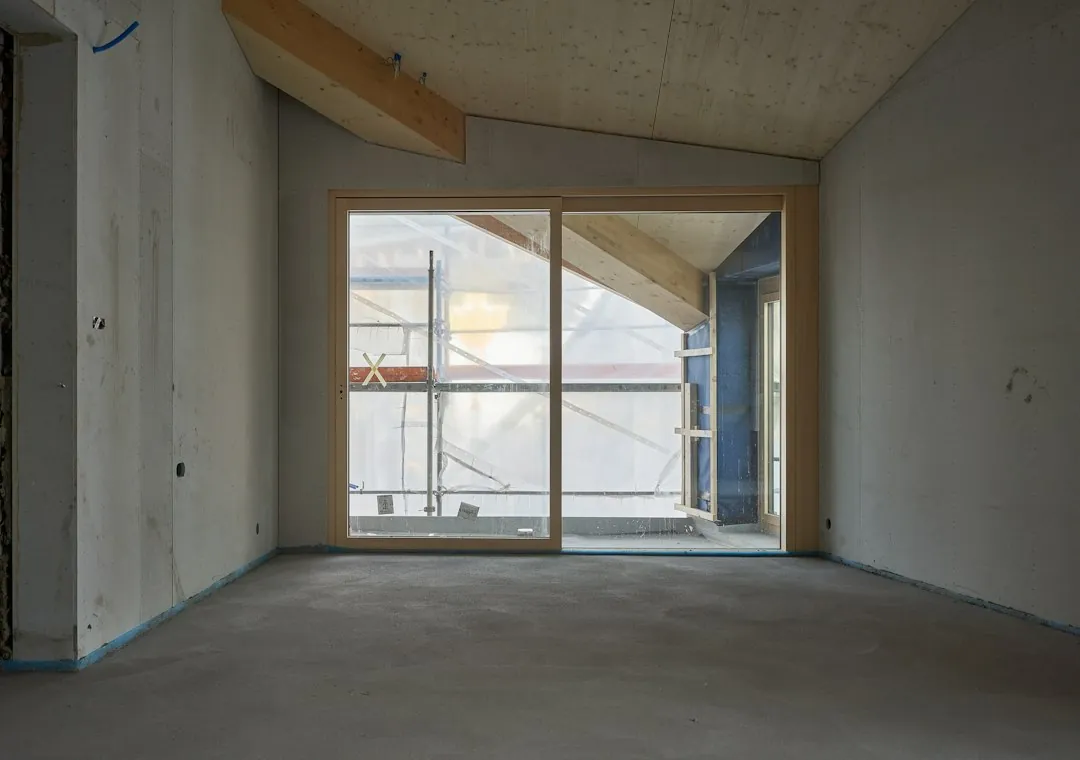
Windows, doors, pergolas and outdoor systems share a shape of sale that almost no marketing advice is written for. The product is not picked off a shelf or a page. It is measured, quoted against a specific opening in a specific wall, and fitted by people who will be in somebody's house for a day or three.
That puts a survey between the enquiry and the money, and the survey is where most of the deals are actually won and lost. Marketing that stops at collecting an enquiry has stopped one step too early.
The Short Answer
The thing to optimise for is a booked survey with an address, not a form fill. Everything else is upstream of that.
Nobody can commit to a price before somebody has measured, so asking for the sale in the ad is asking for a decision the buyer is not able to make yet. What they can decide is whether to let you come and look.
So the ad, the page and the follow-up should all be pointed at one small yes: a date, a postcode, and a rough idea of how many openings.
The Enquiry Is Not the Job
This trade has a long, quiet middle. Somebody enquires in March because a room is cold, gets a survey in April, sits on the quote through May while they get two others, and orders in June if the money is there.
That means a month of enquiries and a month of orders are describing different customers, and comparing them tells you almost nothing. The number worth tracking is how many enquiries became surveys, and how many surveys became orders, followed through as the same group of people.
It also means an enquiry going quiet is normal rather than a failure. They are usually waiting for a builder, a partner or a decision about the whole room, and the firm that is still politely present when that resolves is the one that gets the order.
What to Post When the Product Is Installed, Not Displayed
A finished window is almost invisible, which is the problem. It looks like a hole in a wall that was always meant to be there, and photographs of it all look the same by the third one.
So show the parts that are normally hidden. The cutaway that explains a profile, and why one costs more than another. The old frame coming out. The gap, the fixings, the sealing, the trim going back. People who are about to let strangers dismantle part of their house are reassured by seeing that done carefully.
And show the finished thing in use rather than in isolation: the pergola with a table under it, the door open onto a terrace in summer, the room three months later. That is the outcome somebody is buying, and it is a different picture from a product shot.
The Dealer in the Middle
Plenty of firms in this trade do not sell to the public at all. They supply dealers, installers and fabricators, and the person who sees the enquiry is not the person who fits the product.
That changes what the marketing is for. The channels are still doing the job of making an end customer want the product, but the visit they produce happens at somebody else's premises. The dealer list therefore becomes part of the campaign rather than a footnote, and the material a dealer can actually use is what you are really producing.
Which is where a proper catalogue stops being a brochure and starts being a sales tool. A dealer standing in front of a customer needs the range, the finishes, the sizes and the technical detail in one place, in a form they can hand over or send. If they have to improvise that from a website, they will improvise it badly.
Ads Built for a Long Decision
Two things follow from a decision that takes months. The first is that retargeting matters more here than in almost any other trade, because the person who watched an installation video in February is genuinely still in the market in May, and a campaign that forgets them is throwing away its best audience.
The second is that the form should ask something only a real prospect can answer. How many openings. Is this a renovation or a new build. Roughly when. None of those are hard for somebody who has a job in mind, and all of them stop an idle tap.
Geography is a harder limit than most people set it. There is a radius your fitters will actually travel, and enquiries outside it look fine in the report and never become anything.
Fly System: Doors, Windows and Pergolas Across Italy
Fly System supplies doors, windows, floors and outdoor systems across Italy. We run the social channels and the paid campaigns, and we produce the photography and video that fills them, from the cutaway that explains a window profile to the finished pergola on a terrace.
Every lead is called and qualified by us before it reaches their sales team, which matters most in a trade where a survey costs real time and sending somebody to the wrong address is expensive. Their website is one of ours, and it is live now at flysystem.io.
Across seven Meta campaigns in one month, for one client, we have produced 6,150 leads from 1,084,529 people reached, at a blended 1.87 euro per lead.
Where This Agency Sits
We work remotely from Durrës, in Italian, English, Spanish and Albanian, for businesses in Albania, Italy, Switzerland, the rest of Europe and the United States. We run the channels, produce the photography and video, run the campaigns, and make the first call ourselves.
For a firm in this trade we would usually start with whatever installs are happening next week, because a fitting day is the most persuasive material you have and it is currently being thrown away.
Content and channels are normally live within days of the plan being agreed, and the first monthly report lands at 30 days, with booked surveys at the top of it.
The Short Version
- Optimise for a booked survey with an address, not a form fill. That is the only yes the buyer can give early.
- Enquiries and orders in the same month describe different customers. Follow one group through instead.
- A finished window is invisible, so post the parts normally hidden: the profile, the removal, the sealing, the trim.
- If dealers sell for you, the material they can hand a customer is the product you are really making.
- Retarget hard. Somebody who watched an install video in February is still deciding in May.
Frequently Asked Questions
How do we stop wasting surveys on people who were never going to buy?
Ask one qualifying question on the form and call before you book anything. Number of openings, renovation or new build, and rough timing will remove most of the people who were only curious, and the call settles the rest. A survey costs a fitter half a day, so a few minutes on the phone is the cheapest filter you have.
We sell through dealers, not to the public. Is social media still worth it?
Yes, but the goal moves. The content is doing the same job of making an end customer want the product, and the visit it produces happens at a dealer instead of with you. That makes the dealer list part of the campaign, and it makes the material dealers can hand over the thing most worth investing in.
Should we show prices?
A price for a measured job is not something you can publish honestly, but a range usually is, and it filters better than saying nothing. People who are shocked by the range were never going to order, and they would otherwise have found that out on a survey you paid for.
Keep Reading
- Catalogues That Sell: From Product List to Visual Experience
- Nobody Buys a Stove From a Photograph. They Come to See It.
Related service: catalogue design, print and digital
Tell us what you fit and where
Back to Blog