
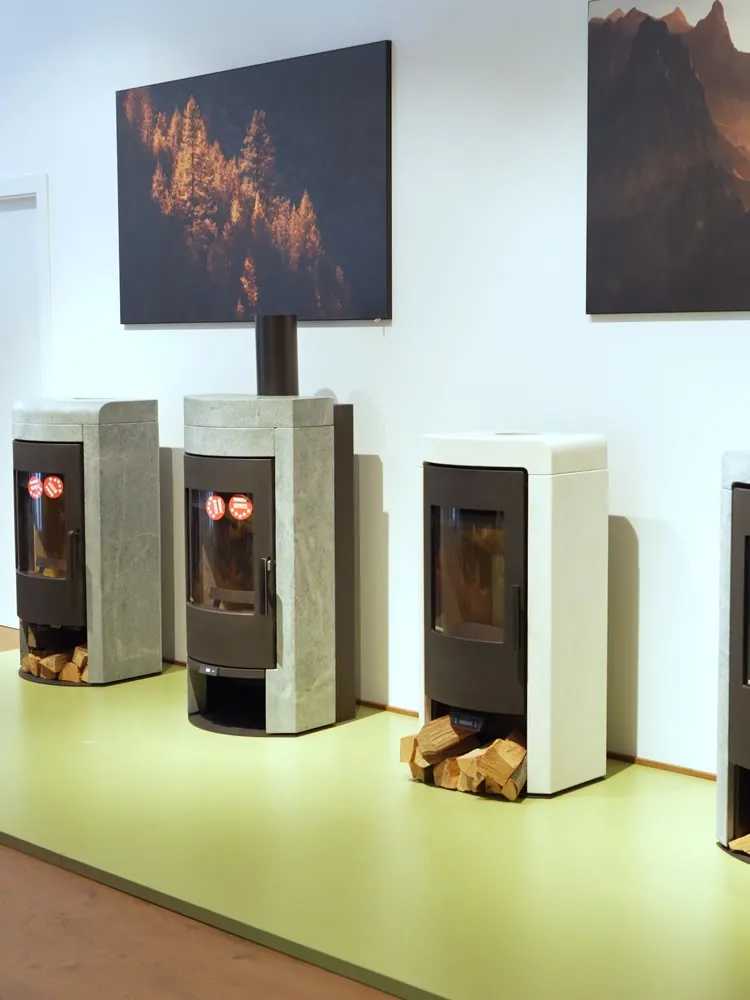
A showroom is a strange thing to market online, because the thing it sells cannot be sold online. Stoves, windows, kitchens, bathrooms, furniture, outdoor systems: people want to stand next to them. They want to open the door, feel the weight, see the finish under real light and ask somebody a question they had not thought of until they got there.
That makes most social media advice a poor fit. It is written for businesses where the click is the sale. For a showroom the click is nowhere near the sale, and treating it as the goal produces the familiar result of a healthy looking account and a quiet floor on Saturday.
The Short Answer
A showroom's social media has one job: get a named person to walk through the door, ideally at a time you know about in advance.
Everything else is a means to that or it is decoration. Followers, reach and engagement matter only in as much as they end with somebody standing in the room, and it is entirely possible to grow all three while the floor stays empty.
So the number to put at the top of the report is booked visits. If nobody is counting those, nobody can tell whether any of the work is paying for itself.
Why the Usual Advice Does Not Fit
The products are high consideration and infrequent. Nobody buys a stove on impulse, and almost nobody buys a second one. The decision takes weeks, involves more than one person in the household, and is usually triggered by something external like a renovation, a move or a heating system finally giving up.
You are therefore not persuading somebody to want a stove. You are trying to be the showroom they think of in the month they decide they need one, which is a completely different job and runs on a much longer clock.
That is also why a quiet month proves very little. The people who walk in during March may have started following in November.
What to Post When the Product Never Changes
This is the practical problem every showroom hits. There are only so many photographs of a stove against a wall, and after two months the account starts repeating itself.
The answer is to stop photographing the object and start showing everything around it. The install, from an empty corner to a finished one. The delivery arriving. The flue going in. The room three weeks later with somebody sitting in it. The difference between two finishes held side by side, which is the exact comparison people come in to make.
Then the things that only exist because you have a physical place: new stock landing on the floor, the person who has worked there for eleven years explaining what to look at, what a model actually costs to run through a winter, why the cheap version is cheap.
The details are what sell in person, so they are what should appear online. Fire behind glass, the weight of stone, the click of a control. If it makes somebody want to touch it, it belongs in the feed.
The Visit Is the Conversion, Not the Sale
Once you accept that, several things become obvious that were not before.
Opening hours belong in the content, not just the profile. So does parking, and where exactly the entrance is, and whether Saturday is a good time to come without an appointment. These sound trivial and they are the last thing standing between an interested person and an actual visit.
The call to action changes too. Come and see it is a better ask than send us a message, because it is what you actually want and it is easier to say yes to. Better still is come and see it on a specific day, because a date creates an obligation that an open invitation does not.
And the follow-up changes. Somebody who asked about opening hours is much closer to buying than somebody who liked a post, and should be treated that way within the hour rather than at the end of the week.
Ads That Book Visits Rather Than Collect Emails
Paid campaigns for a showroom should be built around geography first. There is a radius people will realistically drive for a stove, it is smaller than you would like, and spending outside it produces enquiries that will never become visits no matter how good they look in the report.
The form should ask when somebody can come in. That one question does two jobs: it filters out the idly curious, and it turns an enquiry into something with a date attached, which is a far more useful thing to hand a salesperson.
Retargeting matters more here than in most sectors, precisely because the decision is slow. The people who watched the install video to the end in October are the right people to put a showroom invitation in front of in January.
And the ad should look like the room. A campaign shot in a studio brings people who are surprised when they arrive.
What This Looks Like on a Real Showroom
Rika makes wood and pellet stoves, and we produced the company film for its Premium Store in Verona: the drone approach over the building, then the showroom itself, the range along the floor, and the details that actually sell a stove in person, which are the fire behind the glass, the weight of the stone and the controls. Alongside the film we run the channels, the paid campaigns and the follow-up.
We run the channels for Fly System, who supply doors, windows, floors and outdoor systems across Italy, and for OFYR Italia in wood-fired barbecues. Different products, the same shape of problem: a considered purchase that is decided in person and researched beforehand on a phone.
Across seven Meta campaigns in one month, for one client, we have produced 6,150 leads from 1,084,529 people reached, at a blended 1.87 euro per lead, and every one of those leads was called and qualified before it reached the people who sell.
Where This Agency Sits
We work remotely from Durrës, in Italian, English, Spanish and Albanian, for businesses in Albania, Italy, Switzerland, the rest of Europe and the United States. We run the channels, produce the photography and video, run the campaigns, and make the first call ourselves.
For a showroom we would usually start by filming what is already there, because a floor full of product is the cheapest content a business can have and most showrooms are sitting on months of it unused.
Content and channels are normally live within days of the plan being agreed, and the first monthly report lands at 30 days, with booked visits at the top of it.
The Short Version
- A showroom's social has one job: get a named person through the door. Booked visits go at the top of the report.
- The purchase is slow, infrequent and decided in person, so the goal is to be remembered in the month somebody decides.
- When the product never changes, post everything around it: installs, deliveries, finishes compared, the people who work there.
- Ask people to come and see it on a specific day rather than to send a message.
- Build ads around a realistic driving radius, and make the form ask when they can come in.
Frequently Asked Questions
How do we measure social media for a showroom?
Count booked visits first, then walk-ins who mention seeing you online, then what those visits are worth. Ask every person who comes in how they heard about you and write the answer down, because it is the only way to connect the online work to the floor. Reach and followers belong further down the same report, not at the top of it.
We sell through dealers, not directly. Is this still worth it?
Yes, and the target simply moves. The content is doing the same job of making people want to see the product in person, and the visit it produces happens at a dealer instead of your own floor. That makes the dealer list part of the campaign: the radius, the opening hours and the directions have to be right for each of them.
Do we need professional photography, or is a phone enough?
A phone is enough for most of it, and often better, because installs and deliveries should look real rather than staged. What is worth shooting properly is the room itself and the product details that carry the decision, since those get reused for a long time across the site, the ads and the profile.
Keep Reading
- The Question Is Not Who Posts. It Is Who Answers.
- Why Professional Photo & Video Editing Elevates Your Brand
Related service: social media management services
Back to Blog