
Almost every business in this series sells something that waits. A window can be fitted next month, a stove next winter, an extension next spring. A restaurant sells tonight, and tonight cannot be put back on the shelf.
That is the whole difference, and it points the marketing somewhere very specific. The tables that need filling are not the ones on Friday. They are the ones on a wet Tuesday in February, and almost nothing written about restaurant social media is aimed at that problem.
The Short Answer
Aim everything at the nights that are quiet, and measure covers rather than followers.
A post that fills a Saturday you were going to fill anyway has produced nothing, and may have cost you a table you could have sold to somebody who booked. A post that puts twelve people in on a Tuesday is worth more than the followers it did not gain.
So the question to ask of any piece of marketing here is simple: which night is this for. If there is no answer, it is decoration.
You Are Selling Something That Perishes Nightly
Your capacity is fixed, your costs are largely fixed, and your inventory expires at closing time. That combination is unusual and it means the value of an extra customer is wildly different depending on when they come.
On a full night an extra customer is worth close to nothing, and possibly less than nothing if they wait, get rushed and write about it. On a quiet night the same customer is close to pure contribution, because the room is lit, the staff are paid and the kitchen is already running.
Marketing that ignores this treats all covers as equal and ends up making busy nights busier. That feels like success in the numbers and changes very little at the end of the month.
The Decision Gets Made Twenty Minutes Before
Most restaurant decisions are not planned. They are made on a phone, close to the moment, by somebody who is already out or about to leave, choosing between a handful of places within a short walk or drive.
That compresses everything. The photograph, the opening hours, whether you take walk-ins, how far it is and whether there is a table have to be answerable in seconds, and anything requiring a second search loses to the place that answered first.
It also means posting at the right hour matters more here than in almost any other trade. Something that goes up at eleven in the morning is reaching people at the moment they are deciding about lunch, and the same post at four in the afternoon is reaching nobody who can act on it.
Fill the Quiet Nights, Not the Busy Ones
The mechanics are unglamorous and they work. Give the quiet nights their own reason to exist rather than discounting them, because a discount trains people to wait for discounts and drags the average down.
A set menu, a single dish that only runs that night, a supplier evening, a smaller room opened up so it feels full rather than empty. Anything that makes Tuesday a specific thing instead of a cheaper Friday.
Then advertise it narrowly and locally, in the days immediately before, to people close enough to come. A campaign for a Tuesday should not still be running on Wednesday, which is a discipline most restaurant advertising never adopts.
What to Post When the Menu Barely Changes
A menu that changes twice a year is a genuine content problem, and photographing the same eight dishes repeatedly is how most accounts here run out of ideas by month three.
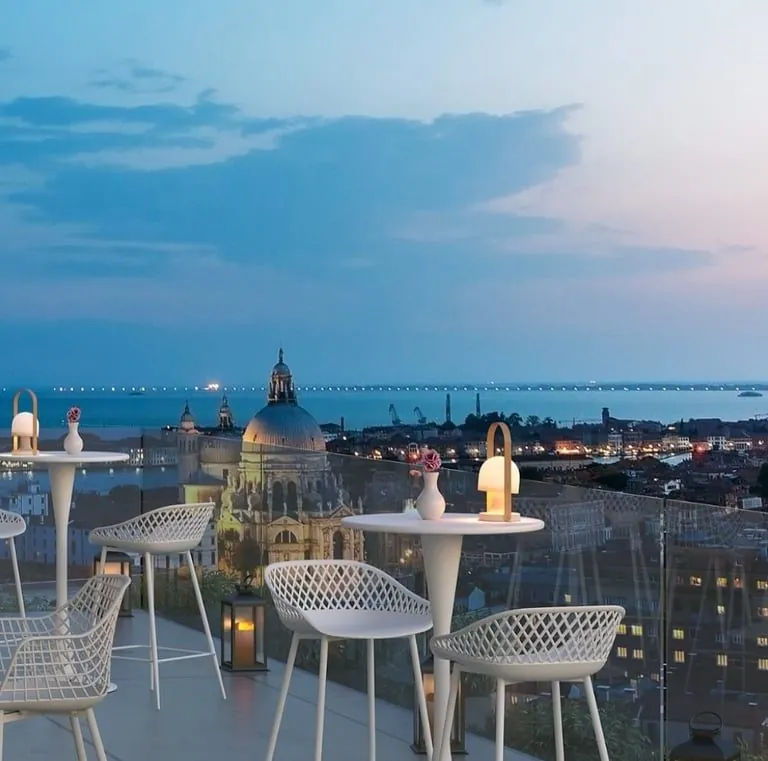
The room is the answer more often than the food. Service starting, the pass at seven, the terrace filling up as the light goes, the same corner in winter and in summer. People are choosing an evening, not a plate, and the evening is what they want to see.
The people work too, and they are underused. Who cooks, who has been there nine years, where a supplier drives in from, what the chef eats after service. That is what makes a place somewhere rather than something, and it cannot be copied by the restaurant down the road.
The Photographs That Decide Are Not Yours
By the time somebody is choosing, they have usually seen your pictures and other people's, and they trust the other people's more. A slightly imperfect photograph taken by a guest at a real table is read as evidence in a way a styled shot is not.
Which means part of the job is making the place easy to photograph well: light that works at the hour people actually eat, a table that is not against a dark wall, a dish that survives being shot from above by somebody who is not a photographer.
And then actually using what guests produce, with permission and with credit. It costs nothing, it is more persuasive than your own material, and it makes the person who took it far more likely to come back.
Where This Agency Sits
We work remotely from Durrës, in Italian, English, Spanish and Albanian, for businesses in Albania, Italy, Switzerland, the rest of Europe and the United States. We run the channels, produce the photography and video, run the paid campaigns, and handle the enquiries rather than passing them back.
Across seven Meta campaigns in one month, for one client, that has meant 6,150 leads from 1,084,529 people reached, at a blended 1.87 euro per lead. Hospitality is a different shape of business from most of what we run, and we would rather say so than pretend otherwise.
For a restaurant we would usually start by shooting one full service properly, because it produces months of material in an evening and almost every place is trying to run its channels without it.
The Short Version
- Your inventory expires at closing time, so an extra customer is worth far more on a quiet night than a busy one.
- Ask of every post which night it is for. If there is no answer, it is decoration.
- The choice is made on a phone, close to the moment, nearby. Hours, distance and a table have to be answerable in seconds.
- Give quiet nights their own reason to exist rather than discounting them, and advertise them narrowly in the days before.
- Guests' photographs persuade more than yours. Make the room easy to shoot, then use what they take.
Frequently Asked Questions
How do we measure whether social media is filling tables?
Count covers on the nights you targeted, against the same night in previous weeks, and ask at the door how people heard about you. Neither is perfect but together they are enough to tell whether Tuesday moved. Followers and reach belong in the report much further down, because it is entirely possible to grow both while the room stays empty.
Should we pay for influencer visits?
Sometimes, and with a narrower brief than usually gets agreed. A local person with a modest local following will do more for a Tuesday than a large account whose audience is mostly elsewhere, because the only follower who matters is one who can realistically walk in. Agree the night, and choose a quiet one.
Is it worth advertising a restaurant at all, or is it all organic?
Both, but for different jobs. Organic posting keeps you in front of people who already know you, which is most of your bookings. Paid is how you reach the people a few streets away who have never noticed you, and it works best aimed at a specific night, a small radius and a short window rather than running continuously.
Keep Reading
- Social Media Management: Turning Followers into Loyal Customers
- The Question Is Not Who Posts. It Is Who Answers.
Related service: social media management services
Tell us which nights are quiet
Back to Blog