
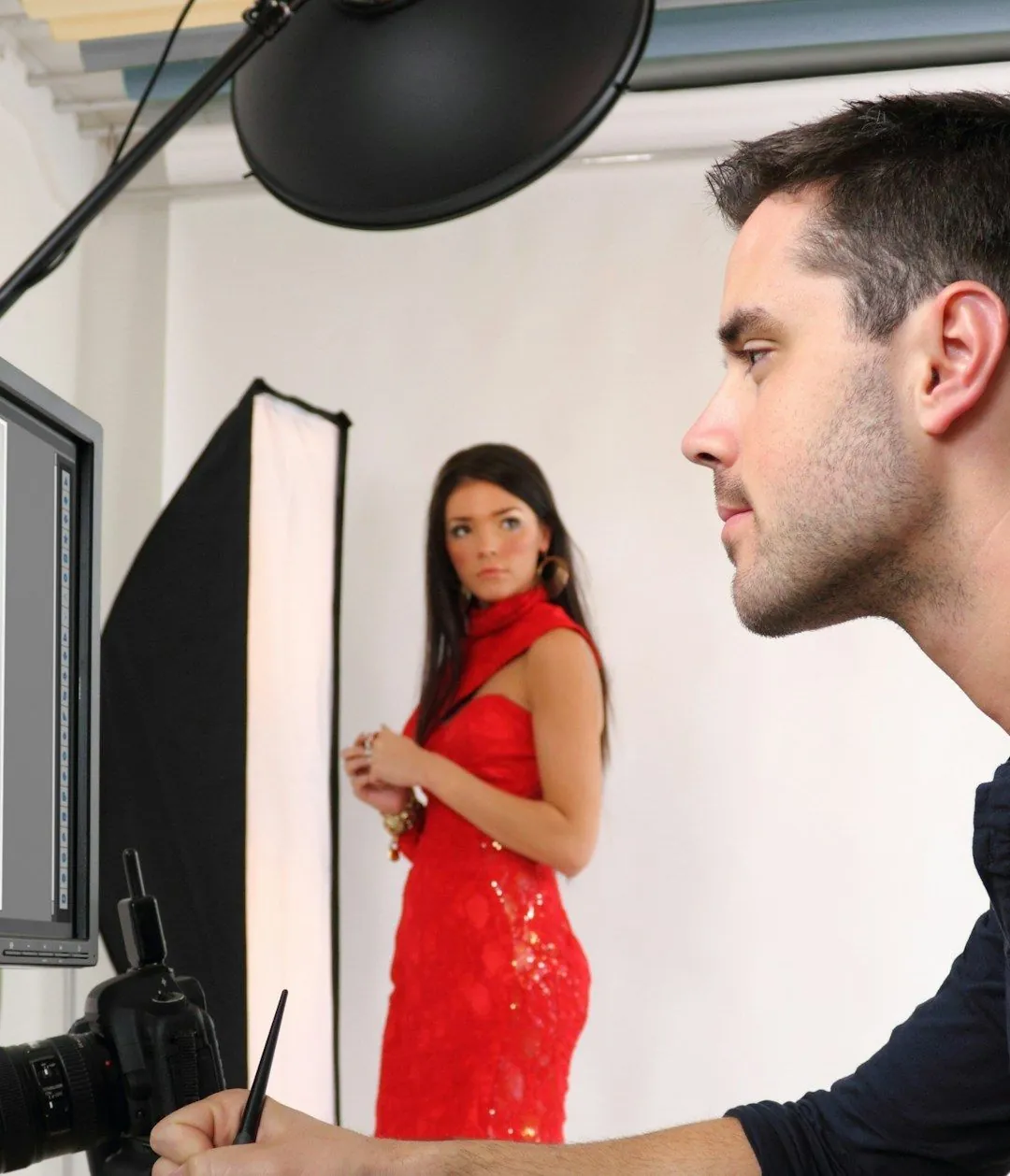
First impressions are visual, and they form in a fraction of a second, long before anyone reads a word about you. A grainy photo or a shaky, poorly-lit video tells people you cut corners, even when you don't. A crisp, well-edited one tells them the opposite.
Professional photo and video editing is the quickest, most reliable way to make your brand look as capable and trustworthy as it truly is. It's not vanity. It's how customers decide, in seconds, whether you're worth their time. This is why it matters more than most businesses realise.
People Judge Your Brand by How It Looks
It isn't fair, but it's human: we assume that things which look good are good. Psychologists call it the halo effect, and it runs your customers' first impression of you whether you like it or not. Polished visuals make people expect a polished experience, so they arrive already inclined to trust you.
The reverse is just as true. When your photos are dim and cluttered or your video looks like an afterthought, visitors downgrade their expectations of everything else: your product, your service, your prices. You end up fighting a bad first impression you never needed to make.
The stakes are highest online, where you never get to shake a hand or explain yourself in person. A potential customer forms an opinion from a thumbnail and a few images, then decides in a heartbeat whether to keep reading or move on. In that moment your visuals aren't decoration. They're the entire pitch.
Raw Isn't Ready
Even a great photo straight off the camera is rarely ready to represent your brand. Colours are flat, the framing is loose, the lighting is uneven, and there's usually something distracting in the background. Editing is where a decent shot becomes a persuasive one.
Good editing does the essential work: correcting colour so your product looks like it does in real life, adjusting light and contrast so the subject stands out, cropping for impact, and removing the little distractions the eye would otherwise snag on. None of it should look "edited." It should simply look right.
It's the same instinct a good photographer has always had in the darkroom: editing doesn't fake reality, it presents reality at its best, the way you'd tidy and light a shop before opening the doors. Skip it and you're showing customers the unfinished version of your work.
Consistency Is What Makes It a Brand
A single beautiful image is nice. A whole feed, website and ad set that clearly belong together is a brand. Consistency, the same colour treatment, the same style of light and the same feel across every photo and clip, is what makes you recognisable and memorable.
This is where editing earns its keep. It's the difference between a collection of random photos taken by different people on different phones, and a cohesive visual identity that looks deliberate everywhere it appears. That polish is exactly what elevates your social media from "posting" to "presence."
Customers may never consciously notice the consistency, but they feel it. A cohesive look signals that a real, organised business stands behind the brand, one that pays attention to detail. A scattered, mismatched look signals the opposite, no matter how good any single photo happens to be.
Video: Attention's Favourite Format
Video is where attention lives now. People will watch a thirty-second clip long after they'd have scrolled past a wall of text, and platforms reward video with more reach. But raw footage and finished video are worlds apart, and the gap is the edit.
Editing is where a pile of clips becomes a story: trimming the dead air, ordering the moments so they build, adding captions for the majority who watch on mute, and setting a pace that keeps a thumb from flicking away. A strong edit can make ordinary footage compelling; a weak one can waste a great shoot entirely.
Video is also the format people trust most to show what you actually do. A short clip of real work, real results, or the real face behind the brand builds credibility in a way a paragraph never can, provided the edit is clean enough that viewers stay to the end.
The Details People Feel but Don't Notice
The best editing is invisible. Viewers don't consciously register it, they just feel that something is professional, and they trust it more. Most of that feeling comes from details they would never name:
- Colour grading: a consistent, intentional look that sets the mood in an instant.
- Pacing: cutting at the right moment so nothing drags and nothing feels rushed.
- Clean sound: clear audio and the right music, because bad sound feels cheaper than bad picture.
- Captions and text: so the message lands even with the volume off.
Individually these are tiny. Together they're the whole difference between content that feels amateur and content that feels like it came from a brand worth buying from.
Good Editing Pays for Itself
It's tempting to see editing as a cost, but it behaves like an investment. The same product, the same offer and the same audience will perform noticeably better when the visuals are strong, because people stop, look longer, and take you more seriously. Better visuals lift engagement on social, raise the return on your ad spend, and make your website feel worth buying from.
The real, professional photos you invest in are exactly what build trust on your website, where generic stock imagery does the opposite. Great visuals are a multiplier on everything else you're already paying for, not just a line item.
Cheap-looking visuals make everything else you do look cheaper, while polished ones make it all look more valuable. Few investments ripple as widely across a brand for as little ongoing cost.
You Don't Need a Hollywood Budget
The reassuring part is that elevating your visuals rarely means expensive equipment or a film crew. Modern phones shoot remarkably well, and most of the magic happens afterwards, in the edit. A handful of decent clips and photos, treated properly, will outperform hours of raw footage that never gets refined.
What matters far more than gear is a consistent eye and a little planning: knowing the look you're going for and capturing with the edit already in mind. That's the part we handle, so you can focus on the moments and leave the polish to us.
The Short Version
Your customers can't see how good your work is until they hire you, but they can see your photos and videos in the first second, and they judge accordingly. Professional editing closes the gap between how good you actually are and how good you look, so the two finally match.
Make that impression count, and every other part of your marketing works a little harder for the same money.
Frequently Asked Questions
Why does professional photo and video editing matter for my brand?
First impressions are visual and form in a fraction of a second. Polished, well-edited visuals make people expect a polished experience and trust you more, while grainy or shaky ones lower their view of your product, service and prices.
Do I need expensive equipment for good visuals?
Rarely. Modern phones shoot remarkably well, and most of the difference is made afterwards in the edit. A handful of decent clips and photos, treated properly, outperforms hours of raw footage that never gets refined.
What does good editing actually involve?
Correcting colour so a product looks true to life, adjusting light and contrast, cropping for impact, clean sound, the right pace, and captions so the message lands with the sound off. Done well it never looks "edited," it just looks right.
Keep Reading
- Social media management: turning followers into loyal customers
- Your website is your hardest-working salesperson
Related service: photo and video editing services
Back to Blog