
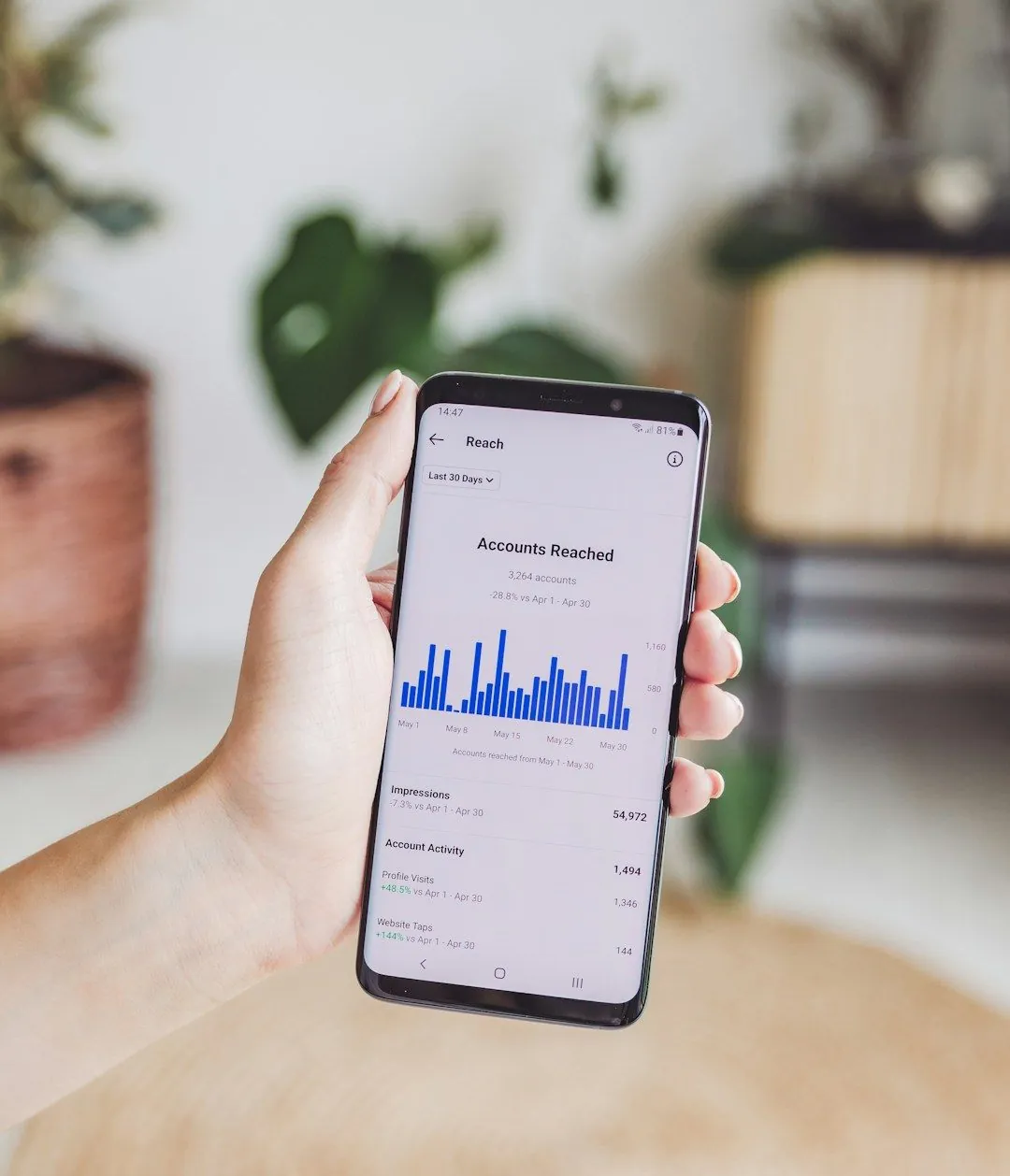
Anyone can spend money on ads. Spending it so that every euro comes back with friends is another matter entirely. Most businesses that try Facebook, Instagram or Google ads on their own reach the same conclusion after a few months: the clicks came, the budget disappeared, and the new customers never quite showed up.
The problem usually isn't the platform. It's the plan. In this post we open up the Meta and Google playbook we use to turn advertising campaigns from a cost you dread into a predictable source of qualified leads and ready-to-buy clients.
Why Most Ad Budgets Leak
Before we talk about what works, it helps to see where the money goes. In our experience, wasted ad spend almost always traces back to a handful of avoidable mistakes:
- Talking to everyone. When your audience is "anyone who might be interested," your ads compete for the most expensive, least motivated attention on the internet.
- Chasing vanity metrics. Likes, reach and impressions feel like progress, but they don't pay invoices. A viral post with zero enquiries is an expensive way to feel good.
- Boosting and forgetting. The "Boost Post" button is easy, but it hands your budget to the platform with almost no strategy attached.
- No plan for the lead. The ad does its job and someone raises their hand, then nothing happens, because nobody follows up.
Fix those four things and you've already beaten most of your competitors, who are still making all of them at once.
Start With the Goal, Not the Platform
The first question we ask a new client is never "Facebook or Google?" It's "what does a win look like?" Ten booked calls a week? Twenty quote requests a month? A full calendar for your team through the slow season?
Once the goal is concrete, every decision downstream gets easier. The offer, the audience, the budget and the platform all fall out of that single number. Skip this step and you end up optimising for whatever the platform rewards, which is rarely the same thing as your bottom line.
That clarity also protects your budget. If the goal is ten booked calls a week and a channel can't plausibly deliver them at a price you can afford, we don't run it, no matter how trendy it is. Your money goes where the maths works.
Meta vs Google: Two Different Jobs
Meta (Facebook and Instagram) and Google Ads are often lumped together, but they do very different jobs, and the best campaigns use each one deliberately.
Meta is demand generation. People aren't searching for you, they're scrolling. Your ad interrupts them, so it has to earn attention with a strong hook, a clear offer and creative that stops the thumb. It's brilliant for introducing a brand to people who didn't know they needed you yet.
Google is demand capture. Someone types "emergency plumber near me" or "kitchen renovation Milan," so they already want the thing and are just choosing who to buy it from. Here you're winning the moment of intent rather than creating desire, so relevance and speed matter more than a clever hook.
Most of our clients need both: Meta to fill the top of the funnel with fresh interest, and Google to catch the people who are ready to act today.
Whichever platform you use, the creative, the words and images themselves, is the single biggest lever on your results. The same budget and the same audience can perform three times better because the message finally clicks. That's why we treat ad creative as a craft, not an afterthought.
Test, Don't Guess
No one knows the winning ad on day one, not us and not the platform's algorithm. What separates campaigns that keep improving from campaigns that plateau is disciplined testing. We launch a handful of angles, headlines and images, let real spending data show which ones resonate, then put more behind the winners and cut the rest. Small, constant improvements compound: a campaign that gets even 10% cheaper per lead each month is transformed within a year. Leaving a campaign on autopilot is how budgets bleed, and steady testing is how they get more efficient.
Retargeting: The Warmest Audience You Already Have
Most people don't buy the first time they meet you, and that's completely normal. Someone visits your website, watches half your video, or clicks an ad and then gets distracted before they act. Retargeting shows a follow-up message to the people who already raised their hand, instead of paying full price to reach cold strangers all over again.
It's almost always the cheapest, highest-returning part of an account, because you're talking to people who already know who you are. A reminder, a customer testimonial, or a time-limited offer at the right moment turns "maybe later" into "let's talk," for a fraction of the cost of first-touch advertising.
The Part Everyone Skips: Following Up
There's an uncomfortable truth that separates agencies that spend your money from ones that grow your business: an ad doesn't produce customers. It produces leads. And a lead is just a person who was interested for about thirty seconds.
This is where MarketingPro works differently. We don't hand you a spreadsheet of raw contacts and wish you luck. We call every lead, filter out the tyre-kickers, and pass you only the people worth your time, already warmed up and often ready for a quote. If you'd like to see how that fits into a full customer journey, our sales funnel is built for exactly this, and it pairs naturally with strong social media at the top of the funnel.
Measure What Actually Matters
Cost per click and cost per thousand impressions are easy to obsess over, but they're the wrong scoreboard. The number that matters is the cost per qualified lead, and ultimately per closed customer.
A campaign with "expensive" clicks that fills your calendar with buyers beats a "cheap" one that fills your inbox with time-wasters, every single time. We report on the metrics that map to revenue, not the ones that merely look good on a dashboard. You can see real numbers from live campaigns (leads, cost per lead and spend) in the results table on our advertising services page.
It also means being honest about time. Paid ads compound as the algorithm learns and your retargeting pool grows, so the first two weeks rarely reflect what the third month looks like. The goal is a channel that gets more efficient the longer it runs, not a lottery ticket.
The Short Version
Advertising that actually converts doesn't come from a secret targeting trick or a bigger budget. It comes from a clear goal, the right platform for the job, steady testing, real follow-up on every lead, and measuring the things that move your business forward.
Get those fundamentals right and paid ads stop being a gamble and start being one of the most reliable growth channels you have.
Frequently Asked Questions
Should I advertise on Meta or Google?
Most businesses benefit from both. Meta (Facebook and Instagram) creates demand by putting you in front of people who aren't searching yet, while Google captures demand from people who are already looking for what you sell.
Why are my ads getting clicks but no customers?
Usually the leak is after the click: no follow-up, a weak offer, or the wrong audience. An ad produces leads, not customers, so someone has to call and qualify those leads and guide them to a sale.
How much should I spend on ads to see results?
Start with a goal, like ten booked calls a week, and work backwards. The right budget is the one that hits that goal at a cost per qualified lead you can afford, and we scale what works and cut what doesn't.
Keep Reading
- Social media management: turning followers into loyal customers
- A sales funnel that closes: from stranger to signed contract
Related service: Meta and Google ads management
Back to Blog